
The map above shows how Google.co.in shows India’s borders compared to how Google.com shows them.
Making Sense Of The World, One Map At A Time
The map above shows how Google.co.in shows India’s borders compared to how Google.com shows them.
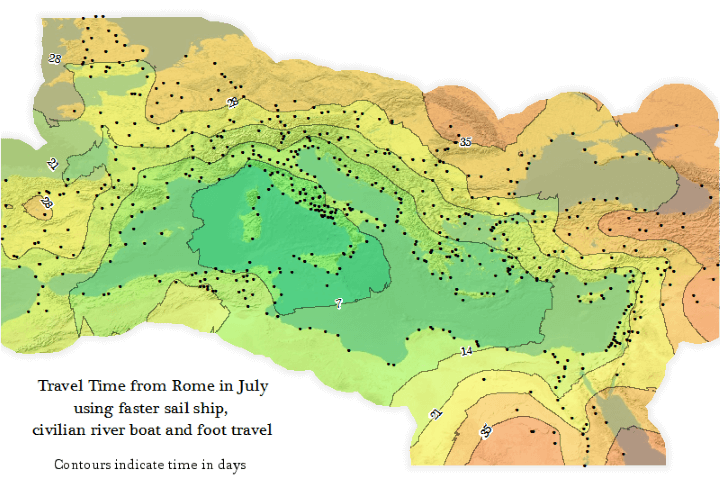
The map above is an Isochrone map which shows how long it would have taken someone to travel from Rome to the farthest reaches of the Roman Empire at its peak (roughly 200 CE/AD).
Travelling within the core of the Empire could have be done in under a week, but travelling all the way to the fringes would have taken someone more than a month.

The map above, titled An Entirely New & Accurate Survey Of The County Of Kent, With Part Of The County Of Essex was created by William Mudge in 1801 and is regarded at the first official Ordnance Survey map.
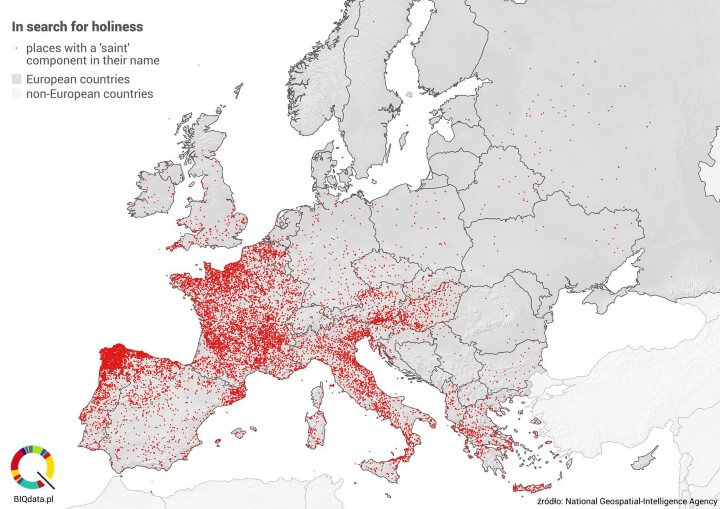

The map above shows which word appears most often on each country’s English language Wikipedia page. For example, on the Wikipedia page about Canada, the word ‘Quebec’ appears more often than any other.

The map above shows how long it takes to drive to the centerline of the total solar eclipse that will occur on August 21, 2017. This of course assumes normal driving conditions on the day.
The map above shows every bomb dropped by the British and Americans during World War 2, along with a limited amount of bombs dropped by the Australians, South Africans, and New Zealanders.
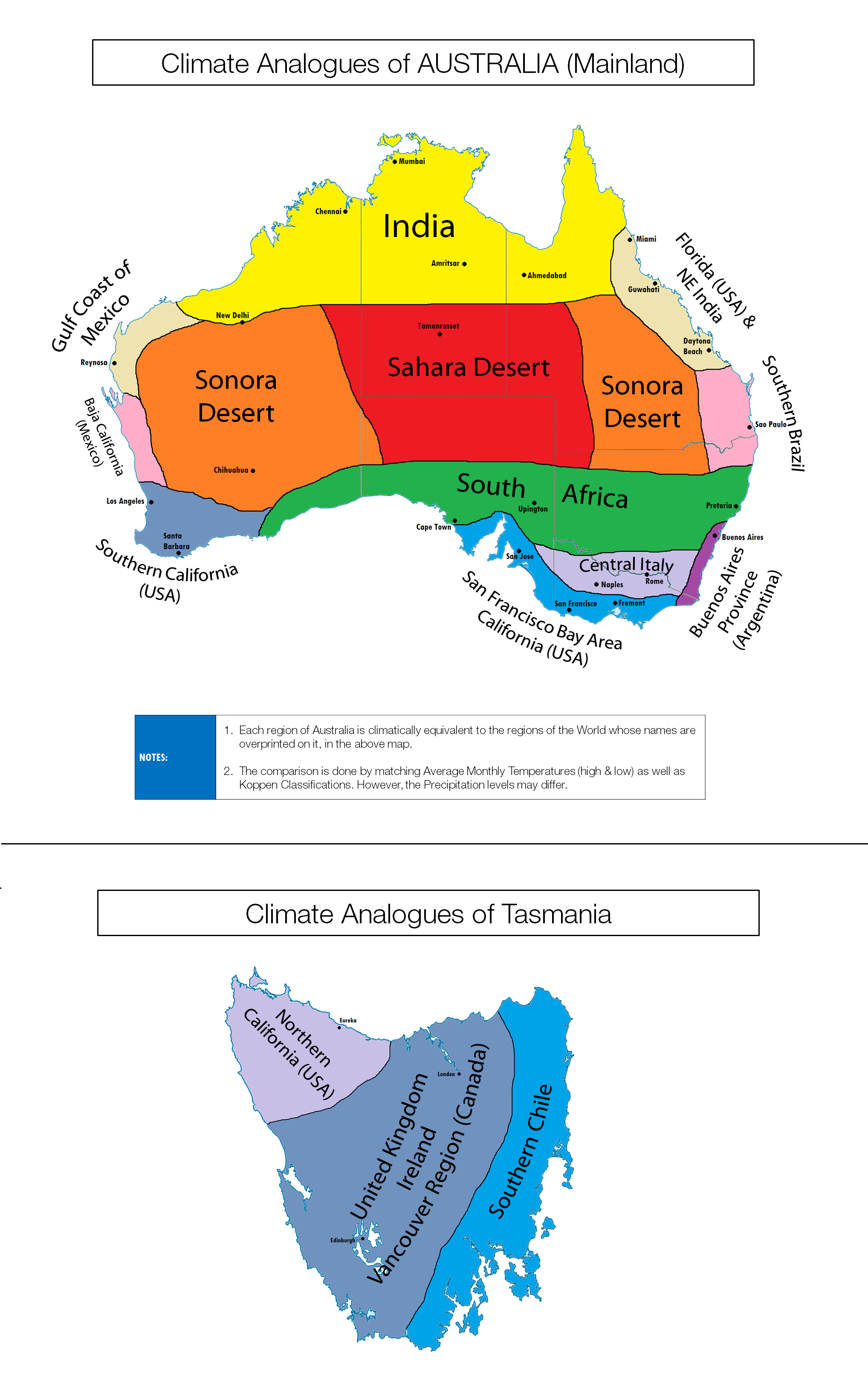
You probably already know Australia is a relatively hot country, but the map above shows how the clinate of its various regions compares to other places on earth (including cities).

The map above shows what Asia would look like if population density corresponded to physical elevation.
Perhaps one of the most interesting things to note, is that the Himalayas are still there, they’ve just moved south a little bit, as these regions of Indian and Bangladesh have extremely high population densities.
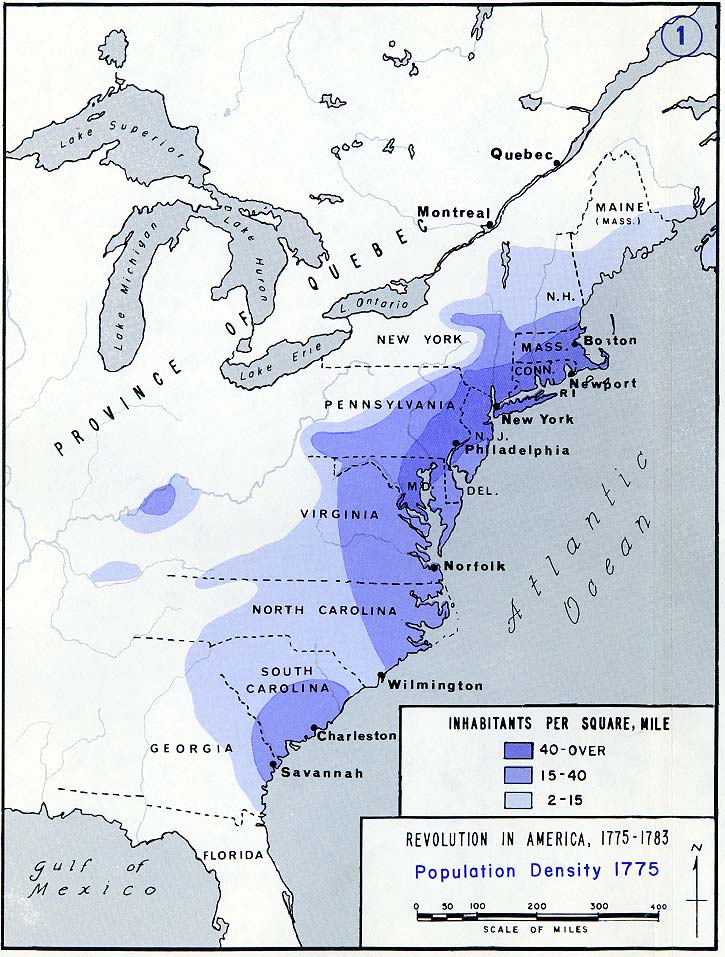
The map above shows the population density of the original thirteen American colonies, the year before they declared independence. Even back then, what would become the Boston–Washington Corridor was clearly evident.