The map above shows potential filming locations in California that best depict international countries and regions.
Making Sense Of The World, One Map At A Time
The map above shows potential filming locations in California that best depict international countries and regions.

The map above shows what a United States of Greater Austria might have looked like.
It’s based a proposal conceived by the lawyer and politician Aurel Popovici in 1906. The proposal has been superimposed on a map of the ethnic groups of Austria-Hungary in 1910 which is based on “Distribution of Races in Austria-Hungary” from the Historical Atlas by William R. Shepherd, 1911.
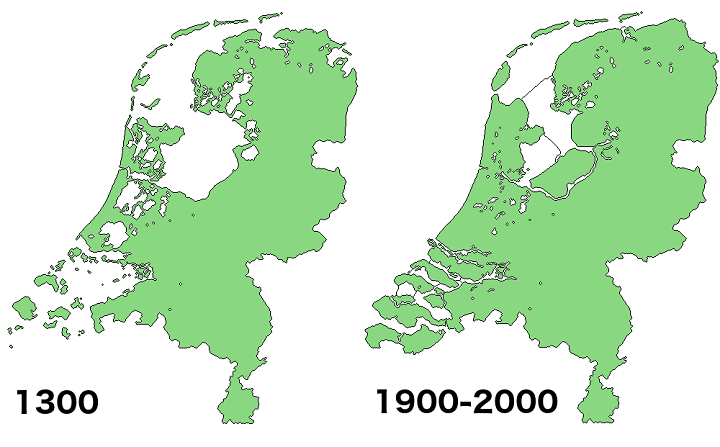
Around 17% of the country’s current land area has been reclaimed from the sea or lakes.
You can see a gif of this process below:

The map above shows the patchwork of kingdoms, principalities, bishoprics, duchies, republics, cities, sultanates, etc. in and around Europe in 1500 CE/AD.
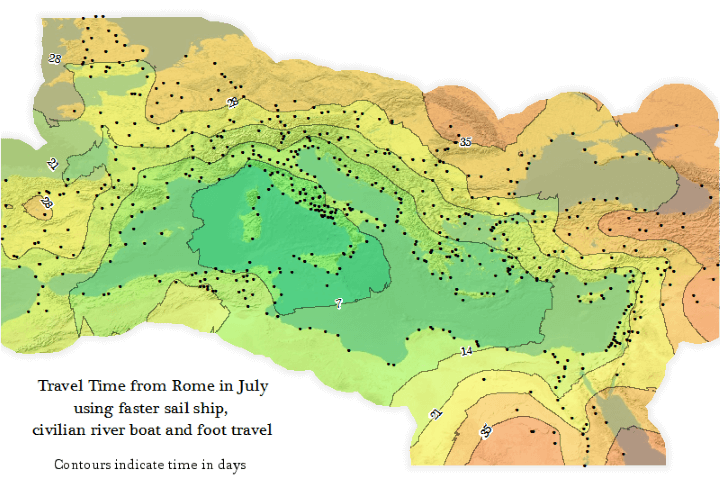
The map above is an Isochrone map which shows how long it would have taken someone to travel from Rome to the farthest reaches of the Roman Empire at its peak (roughly 200 CE/AD).
Travelling within the core of the Empire could have be done in under a week, but travelling all the way to the fringes would have taken someone more than a month.
The map above shows every bomb dropped by the British and Americans during World War 2, along with a limited amount of bombs dropped by the Australians, South Africans, and New Zealanders.
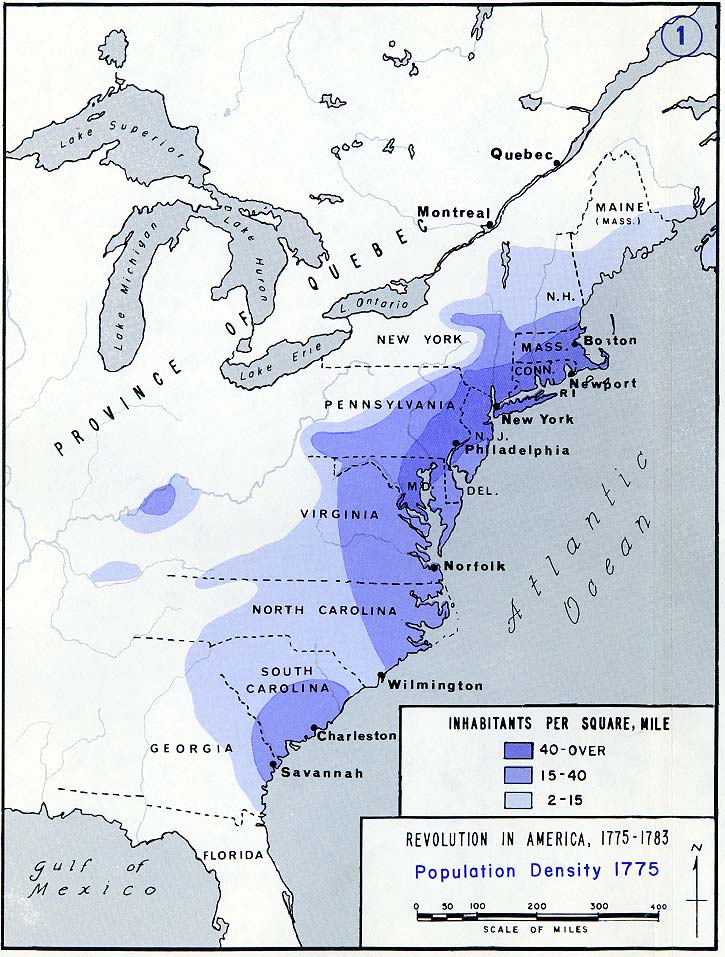
The map above shows the population density of the original thirteen American colonies, the year before they declared independence. Even back then, what would become the Boston–Washington Corridor was clearly evident.

The map above shows what Roman Carthage may have looked like sometime in the 3rd century AD, when it was one of the leading cities of the Roman Empire and could have had a population into the hundreds of thousands.