
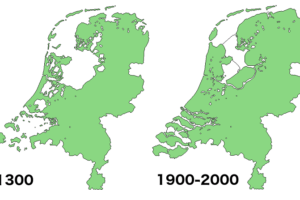
I’m a bit unclear who created the original map, but whoever they are I am really impressed with the work and would love to give them the proper credit they deserve.
More about Japanese loses:
The loss of Japanese ships during World War II was significant and contributed heavily to Japan’s eventual defeat.
Here’s an overview of the situation, including the number of ships built, lost, and lives lost:
Total Ships Built
During World War II, Japan embarked on an aggressive shipbuilding program to support its military ambitions. Key figures include:
- Warships: Around 230 major warships were built during the war, including battleships, aircraft carriers, cruisers, destroyers, and submarines.
- Merchant Ships: Japan produced approximately 6,300 merchant ships during the war, including transports, tankers, and cargo vessels, to sustain its war effort and supply lines.
Ships Lost
The losses were staggering and occurred across all types of vessels:
- Major Warships:
- Approximately 335 warships (including pre-war vessels) were lost. These included:
- 11 battleships (e.g., Yamato, Musashi, and Hiei).
- 25 aircraft carriers (including Shinano, the largest aircraft carrier at the time).
- Over 130 destroyers.
- Many cruisers and submarines.
- Approximately 335 warships (including pre-war vessels) were lost. These included:
- Merchant Ships:
- Around 3,000 merchant ships, amounting to over 8 million gross tons, were sunk by Allied submarines, aircraft, and naval forces.
- This loss severely hampered Japan’s ability to transport troops, supplies, and raw materials.
Human Casualties
The loss of life associated with Japanese naval and merchant ships was immense:
- Naval Personnel:
- Approximately 350,000 Imperial Japanese Navy (IJN) personnel died during the war, including sailors, pilots, and officers.
- Many perished in ship sinkings, particularly during large-scale battles and kamikaze missions.
- Merchant Marine:
- An estimated 60,000–70,000 merchant sailors lost their lives as their ships were sunk by Allied forces.
Key Factors Behind the Losses
- Allied Submarine Campaign:
- U.S. submarines played a decisive role, sinking nearly 55% of Japanese merchant tonnage and many warships.
- Air Superiority:
- Allied air power, particularly during the island-hopping campaigns and the Philippines liberation, caused severe damage to Japanese naval forces.
- Lack of Resources:
- Japan struggled with dwindling fuel, materials, and shipbuilding capacity as the war dragged on, making it harder to replace losses.
- Poor Convoy Systems:
- Unlike the Allies, Japan did not implement effective convoy systems early in the war, making its merchant ships vulnerable to attacks.
Impact on Japan’s War Effort
The loss of ships and merchant vessels crippled Japan’s ability to transport troops, raw materials, and fuel, leading to severe shortages on the home front and among the armed forces.
This logistical collapse was a major factor in Japan’s inability to sustain its war effort and contributed directly to its surrender in 1945.
You can get a partial list of all ships here.
Also see: Map of World War 2 Shipwrecks




Leave a Reply