One of CIA’s oldest and most recognizable intelligence publications, The World Factbook, has sunset. The World Factbook served the Intelligence Community and the general public as a longstanding, one-stop basic reference about countries and communities around the globe.
Link to the History of The World Factbook.
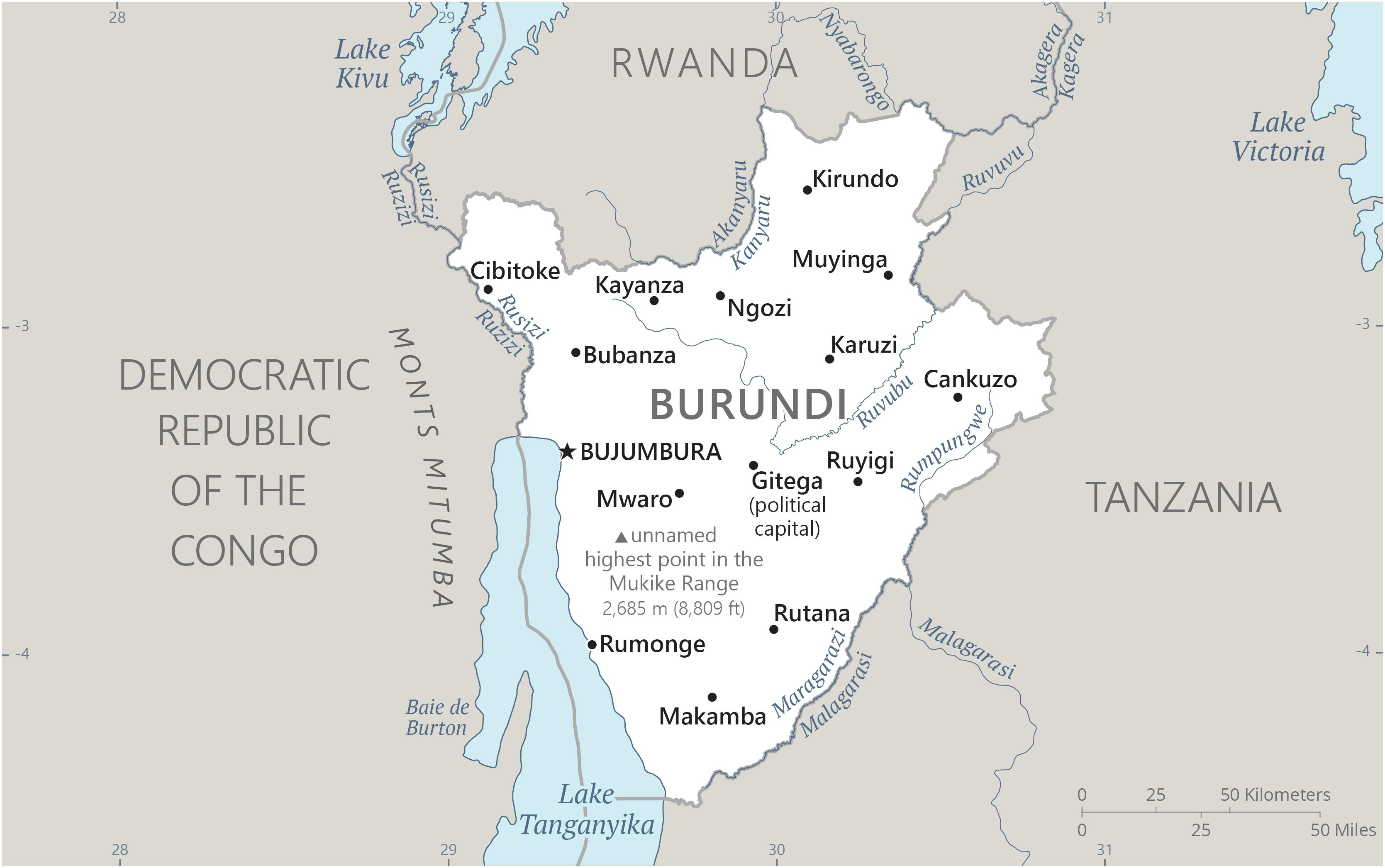
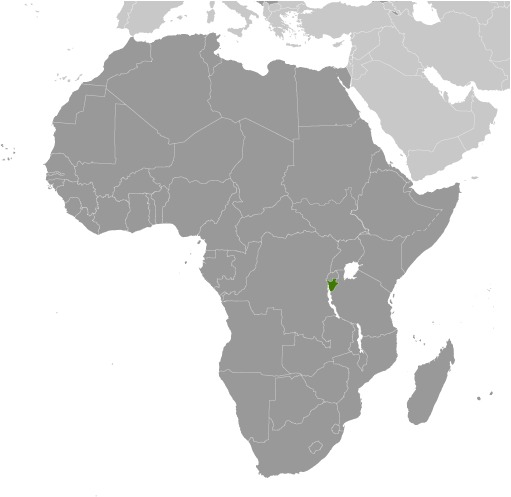
Where Is Burundi? Location Map
List of Land & Sea Borders For Burundi
- Tanzania (Land): 589 km (366 miles)
- Rwanda (Land): 315 km (196 miles)
- DR Congo (Land): 236 km (147 miles)
Burundi Facts
Full Official Name: Republic of Burundi
Demonym: Burundian
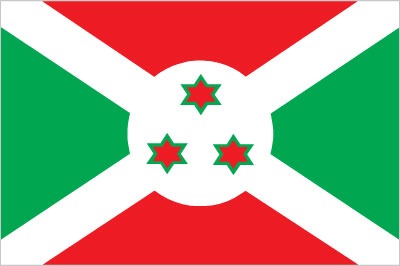
Flag:
Area
Total Area: 27,830 km²
Total Land Area: 25,680 km²
Total Water Area: 2150 km²
Demographics
Population: 13,590,102
Population Growth Rate: 2.81% (2024 est.)
Largest City: Bujumbura (Population: 374,809)
Ethnic Groups: Hutu, Tutsi, Twa, South Asian
Languages: Kirundi (official), French (official), English (official, least spoken), Swahili (2008 est.)
Religions: Christian 93.9% (Roman Catholic 58.6%, Protestant 35.3% [includes Adventist 2.7% and other Protestant religions 32.6%]), Muslim 3.4%, other 1.3%, none 1.3% (2016-17 est.)
Economy
Currency: Burundian franc
Real GDP at Purchasing Power Parity ($ PPP): $11.347 billion (2023 est.)
GDP per capita (PPP): $900 (2023 est.)
Exports Value Per Year: $285.105 million (2018 est.)
Biggest Export Partners: UAE 32%, Democratic Republic of the Congo 14%, China 5%, Sudan 5%, Germany 4% (2022)
Imports Value Per Year: $905.294 million (2018 est.)
Biggest Import Partners: China 15%, UAE 14%, Saudi Arabia 13%, Tanzania 12%, India 7% (2022)
Government
Type: presidential republic
Capital City: Gitega (political capital), Bujumbura (commercial capital) (Population: 135,467)
Other Facts
Time Zone: UTC+2 (CAT)
Country Code: BI
Internet TLD: .bi
Climate Map of Burundi
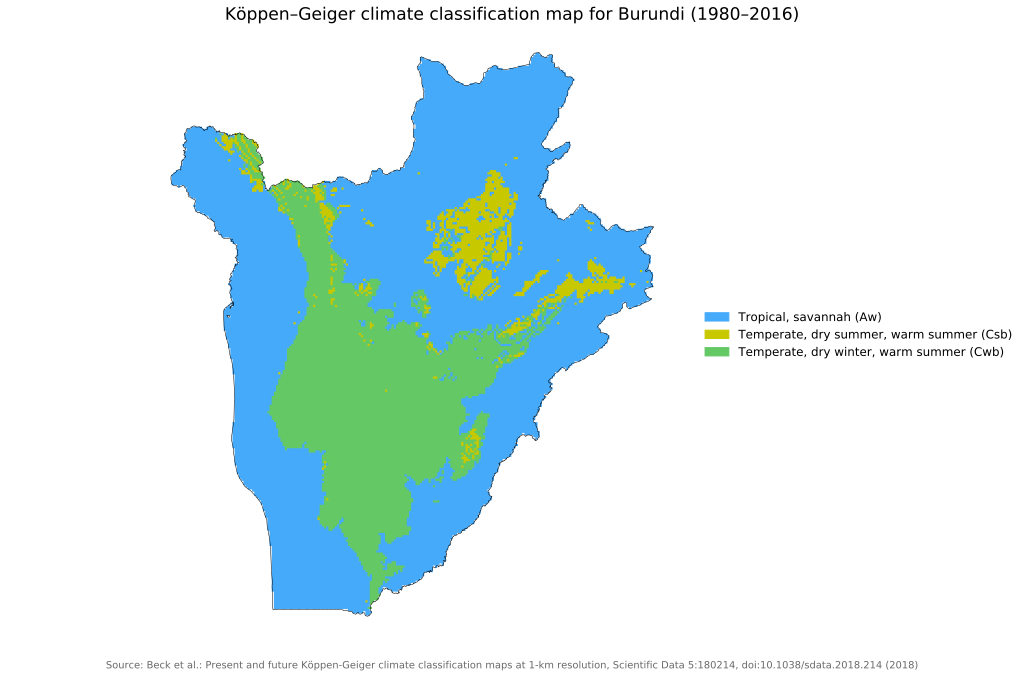
Climate: equatorial; high plateau with considerable altitude variation (772 m to 2,670 m above sea level); average annual temperature varies with altitude from 23 to 17 degrees Celsius but is generally moderate; average annual rainfall is about 150 cm with two wet seasons (February to May and September to November) and two dry seasons (June to August and December to January)/
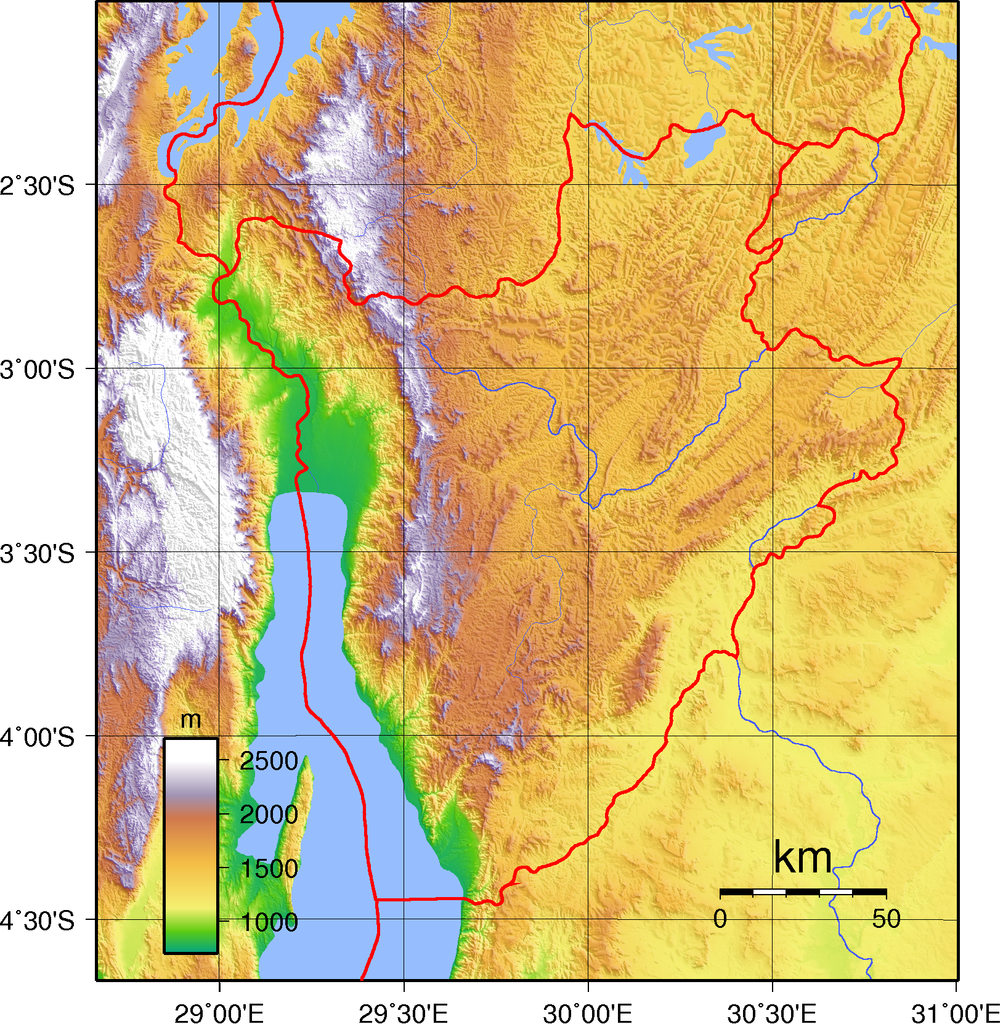
Topographic Map of Burundi